How Many Hours Do You Need In El Yunque?
A practical hour-by-hour breakdown of El Yunque National Forest: what a half-day covers, what a full day adds, and how to match your available time to the right tour length.
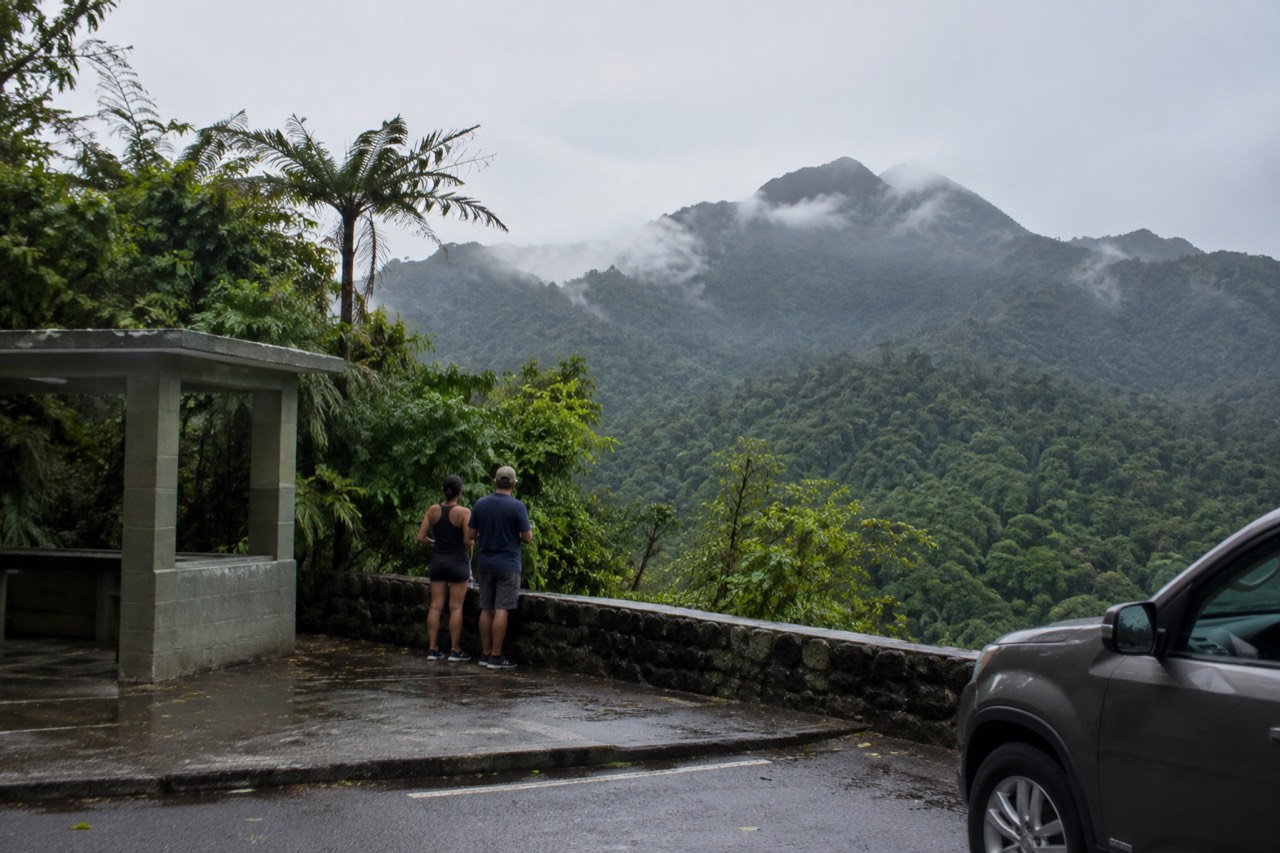
How Many Hours Do You Need In El Yunque?
Most people budget too little time for El Yunque, not too much. The forest's own operating hours run 8:00 a.m. to 5:00 p.m., and the Forest Service asks visitors to begin exiting at least 15 minutes before closing, so the day has a hard frame around it no matter how ambitious your plans are. Within that frame, the real question is not how many hours the forest takes but how many hours your specific version of it takes: a roadside loop of La Coca Falls and Yokahú Tower can be done in three or four, while a proper hike plus a swim plus the Luquillo coast fills a full day.
The answer maps almost directly onto tour listings, which is why it is worth settling before you book anything. Half-day tours on the roster run 3 to 5 hours. Full-day versions run 6 to 8. Once you know whether you are a half-day person or a full-day person, the tour choice mostly makes itself. This site exists to help you make that call with the forest's actual published rules in hand rather than with the recycled claims that fill most El Yunque content.
There is also a planning reality worth naming up front: entrance to the PR-191 North recreational corridor in Río Grande is free and no reservation is required. The old timed-entry system on the federal booking site no longer exists, and capacity is managed through parking rather than tickets. So the hours question is not a ticketing question and not a reservation question. It is purely a question of how much of your day you want to give the forest, and what you want that day to contain.
How Many Hours Do You Need In El Yunque?
Plan on 3 to 5 hours for the core corridor experience, or 6 to 8 hours if you want a hike, a swim and the Luquillo coast in one day. The corridor itself is open 8:00 a.m. to 5:00 p.m., and El Portal's visitor center closes at 4:00 p.m., so no version of the visit can run past mid-afternoon.
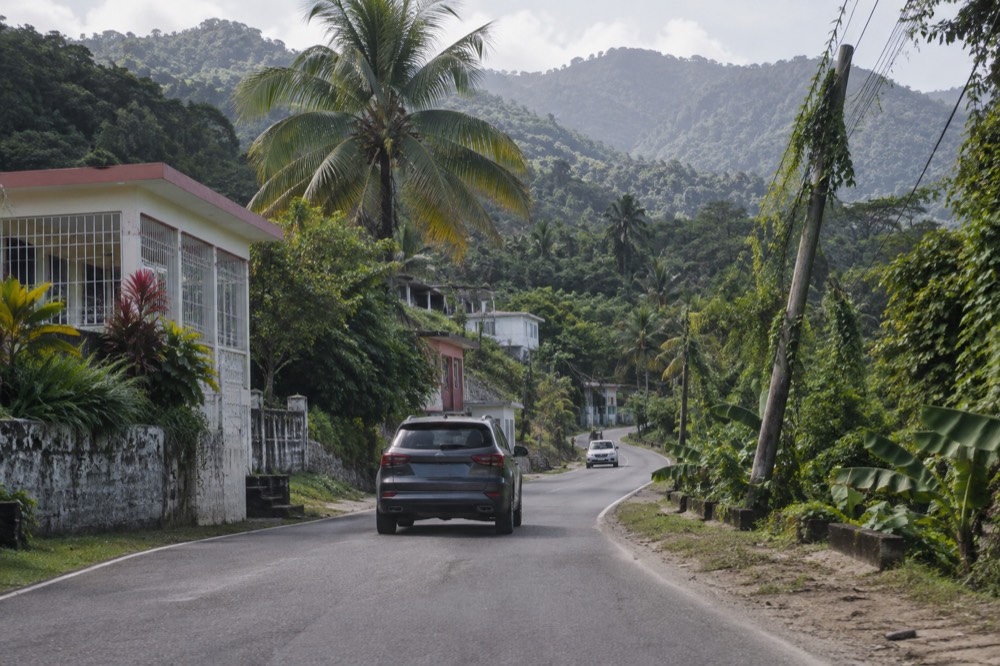
The reason the answer has a range rather than a single number is that El Yunque is really two destinations in one. The PR-191 North corridor in Río Grande is the part most visitors mean when they say El Yunque: La Coca Falls, Yokahú Tower, Juan Diego Falls, Baño Grande, the Palo Colorado area and the trailheads that branch off the road. That corridor is a drive-with-stops experience, and the stops are short by design. Yokahú Tower carries a thirty-minute maximum for parking. Juan Diego, which has a natural pool you can wade into, also caps parking at 30 minutes because of limited capacity.
The second El Yunque is the slower one: the hiking trails, the river pools on the Luquillo side reached from Road 988, and the combination days that tack on Luquillo Beach or the kiosks. Those eat hours happily. An 8-hour hiking tour and a 3-hour sightseeing loop are both genuinely El Yunque, and the difference between them is entirely about how much of the day you want to give the forest.
A useful way to think about the budget is in blocks. Driving the corridor with photo stops is about two hours if traffic cooperates. Adding a short trail such as the Angelito Trail, 0.4 km one way down to the Río Mameyes, adds an hour including the swim. A longer hike like Mount Britton, 1.3 km with 591 feet of elevation change to a stone tower at 3,087 feet, adds two to three hours on its own. El Portal, the visitor center at kilometer 4.1, deserves at least an hour if you go inside. Stack those blocks and your number appears.
One more framing point that saves people money and confusion: the only thing that charges inside the corridor is El Portal Visitor Center, at $8 for visitors 16 and over, free under 15, and $4 with an interagency pass. Everything else in this article, the falls, the tower, the trails, the river pools, costs nothing to enter. A fee proposal that would add a $4 La Mina Recreation Area day pass is still only a proposal, with the public comment period closed and no decision published, so do not plan around it yet.
What Does A Half-Day In El Yunque Actually Cover?
A half-day, roughly 3 to 5 hours, covers the main corridor stops: La Coca Falls, Yokahú Tower, Juan Diego Falls and possibly a short walk or a river pool. It does not comfortably include a long hike, El Portal at leisure, or the Luquillo coast. Most half-day tours on the market run 4 to 5 hours.
This is the version of El Yunque that fits a cruise stop or a single morning carved out of a San Juan vacation. The corridor is compact: La Coca Falls sits at kilometer 8.1 on PR-191, Yokahú Tower at 8.8 km, and the falls drops 85 feet onto rocks at its base, which makes it a photo stop rather than a destination you linger at. The Forest Service notes that swimming is not a listed recreation opportunity there; it is a roadside viewing spot, and a quick one.
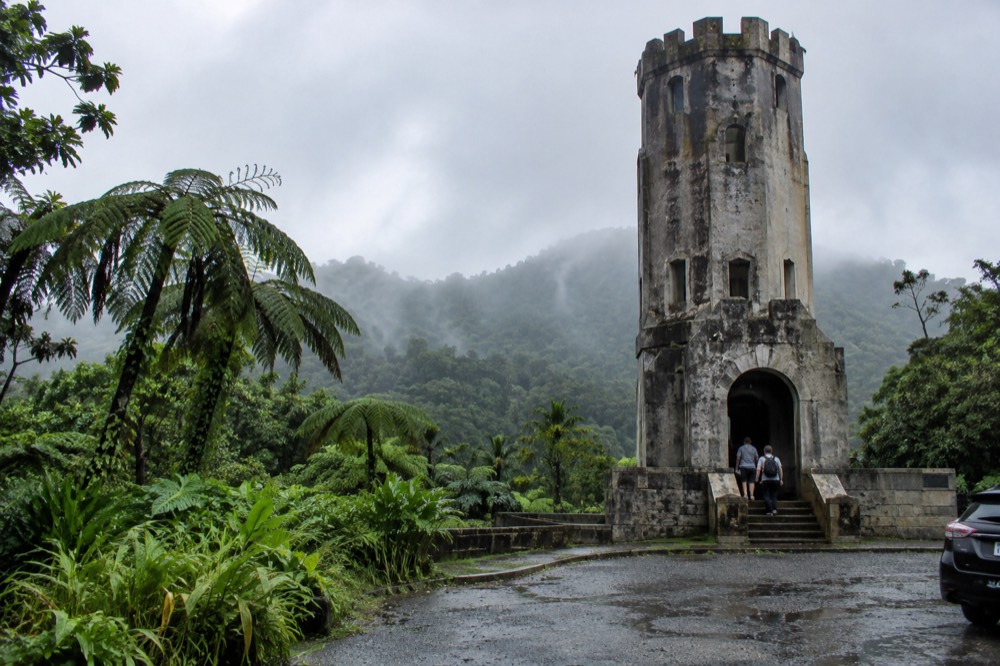
The half-day works because the corridor's stops are naturally brief. You drive, you park in a designated area, you look, you move on. Yokahú Tower rewards the climb up its 69 feet with views across four forest types, Colorado, Tabonuco, Palm and Cloud, and on a clear day the coastline and the Virgin Islands beyond. Built by Dr. Frank H. Wadsworth in the early 1960s, it remains the classic single-stop El Yunque experience, and it takes most people twenty minutes.
What a half-day does not do well is absorb surprises. If a parking lot is full because capacity is being managed, or if a trail section is closed for construction, a tight half-day has no slack to reroute. That is a genuine argument for a guide even on a short visit: someone who drives this road weekly knows which stops are workable on the day and which to skip. Trail closures in this forest change with construction and storm recovery, and the Forest Service's own FAQ says plainly that hurricane recovery work continues across the forest.
On the roster, the half-day end of the spectrum includes a 3-hour waterslide and waterfall option from $40, a 4-hour rainforest and waterslide adventure from $94.78, and a 4-hour-30-minute guided tour with pickup from $63. The shorter of these assume you are meeting a guide rather than being collected, which matters if you are staying in San Juan without a car: rideshare apps cannot legally pick you up at the corridor or El Portal, and the Forest Service has warned that this has left visitors walking long distances to reach a valid pick-up point.
If a half-day is your constraint, the five-hour sightseeing format is the sweet spot. The San Juan: El Yunque National Rainforest Sightseeing Tour runs 5 hours from $75, rated 4.7 across 365 reviews, with confirmed stops at Río Mameyes, La Coca Falls and Old San Juan. It also pairs well with our longer guide to El Yunque tours from San Juan, which breaks down every pickup option in detail.
A half-day also has a hidden advantage worth weighing: it leaves your afternoon free, and in a destination where afternoon clouds and rain are the norm rather than the exception, a morning-only visit often delivers the better light and the better views. You trade depth for conditions, and for many travelers that is a good trade.
What Does A Full Day Add?
A full day, 6 to 8 hours, adds a real hike, a swim stop at a Forest Service listed site, El Portal at leisure, and usually the Luquillo side: the beach, the kiosks, or the natural waterslides on private land outside the forest. Full-day tours on the roster run 6 to 8 hours, with combo tours stretching to 12.
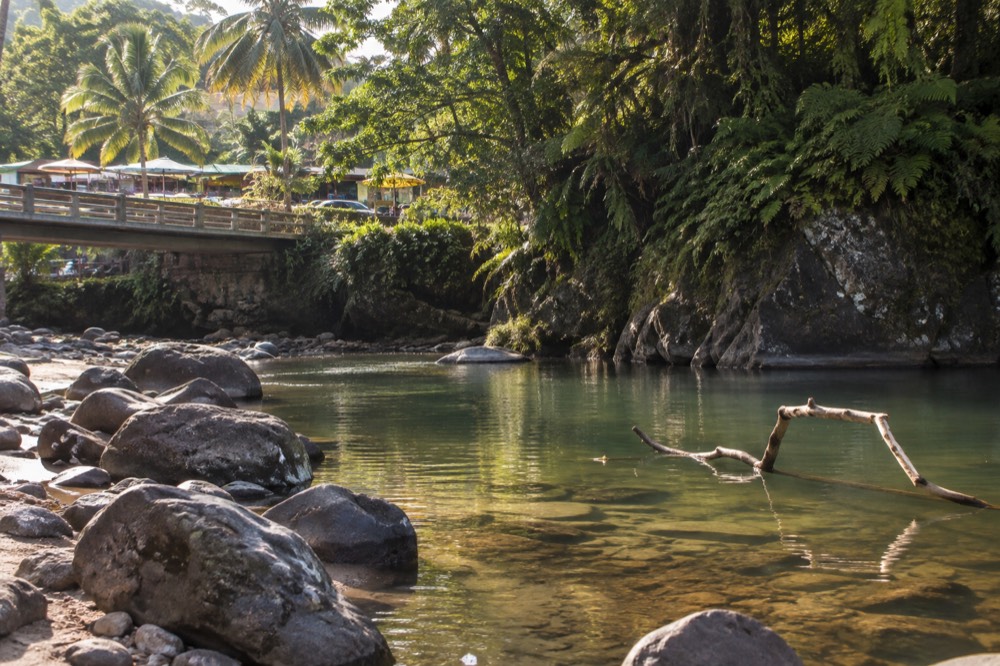
The biggest thing a full day buys is water. The Forest Service lists its swimming opportunities explicitly, and they sit on the Luquillo and Naguabo sides as much as on the main corridor: the Angelito Trail down to the Río Mameyes and Las Damas Pool, Puente Roto, Quebrada Grande, Quebrada Sonadora, the Río Espíritu Santo Observation Point and the Río Sabana Recreation Area. Getting to any of them, walking in, swimming and drying off is an hour-plus commitment each time, which is exactly what a half-day cannot spare.
Every one of those swim stops carries the same caveat, and it is not boilerplate: flash floods along El Yunque's rivers can happen unexpectedly, and the Forest Service warns that a sudden surge can claim victims in less than one minute, with flood water capable of reaching 30 feet or more. Check conditions before you get in, watch for heavy rain upstream as well as where you are standing, and treat any rising water as a signal to leave immediately.
The second thing a full day buys is the coast. Luquillo Beach and the Luquillo kiosks appear as confirmed stops on a large share of the full-day tours, and they make a natural end to a forest morning: the kiosks alone draw around a million visitors a year by Puerto Rico Tourism Company figures, generating an estimated $41.4 million for the island's eastern towns and supporting around 840 direct jobs. A forest-and-beach day is the single most popular full-day shape on the roster, running 5 to 8 hours depending on the operator.
One distinction worth understanding before you book a full day: several popular tours advertise El Yunque waterslides, but the natural slides at Las Paylas sit on private land outside the national forest boundary, with no Forest Service management or oversight. They are a real and enjoyable stop, and tours that include them say so on their listings, but they are not part of the federal forest, which changes what you are buying. Our Luquillo waterslides tours guide covers that distinction in full.
A full day also opens the door to El Portal done properly. The visitor center, opened in 1996, rebuilt after the 2017 hurricanes and reopened in January 2022, holds the Puerto Rican Parrot exhibit with three live parrots, a theater film, art installations and an interpretive trail below the walkway. Rushing it in the last forty minutes before its 4:00 p.m. close wastes the $8 you just paid. Give it a full hour, ideally at the start of the day while the clouds are still low on the peaks rather than on your head.
A representative full day is the Let Me Show You My Island Tour with a visit to El Yunque: 6 to 7 hours from $89, rated 4.9 across 1,655 reviews, with hotel pickup, free cancellation and confirmed stops at La Coca Falls, Yokahú Tower and Piñones. At the far end, a 12-hour bio bay combo packs the forest, an afternoon gap and an evening kayak on Laguna Grande into one very long day, which suits only travelers who genuinely want the maximum.
The 12-hour format deserves a caution rather than a recommendation for most people. It is a long day in a vehicle, the bio bay portion depends on darkness, and the forest portion is necessarily the compressed half-day shape anyway. It is a good choice when your trip is short and the bio bay is a priority; it is a poor choice if you think more hours automatically means more forest.
How Do The Forest's Own Hours Shape Your Timing?
The corridor is open 8:00 a.m. to 5:00 p.m., with the Forest Service advising visitors to start exiting 15 minutes before close. El Portal Visitor Center runs 8:00 a.m. to 4:00 p.m. daily. These hours, not your stamina, set the outer limit on any El Yunque day.
The 5:00 p.m. corridor close is enforced, not advisory, and it interacts badly with late starts. A tour that leaves San Juan at noon has effectively already chosen an afternoon-only experience, which in a rainforest means the cloudier, wetter, more crowded window. The forest's own rainfall data explains why the morning preference is not just folklore: annual rainfall ranges from roughly 96 inches at lower elevations to over 157 inches at higher stations, with the highest recorded annual totals near El Yunque Peak reaching the equivalent of about 169 inches. This is a forest that is wet by design, and mornings are simply the drier end of the daily cycle.
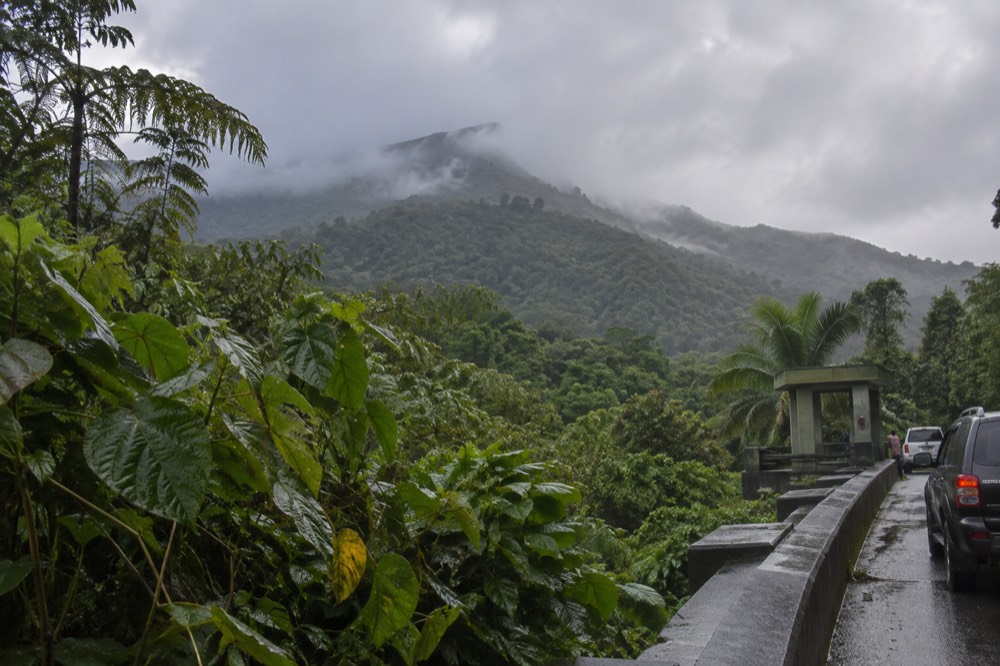
Parking is the other timing constraint people underestimate. Capacity in the corridor is actively managed because of parking limitations, in coordination with the Puerto Rico Police, and parking is permitted only in designated areas, with ticketing enforced at La Coca Falls. Arriving early is not about beating a ticket system, since there is none; it is about finding a legal space at Yokahú Tower or Juan Diego before the lots fill. Our blog post on how early to arrive at El Yunque goes deeper on that.
The road conditions on the approaches reward a morning start too. Road 988, the Luquillo entrance, carries a live construction warning to drive carefully. Road 186, the El Toro Scenic Byway from the south, is posted with poor road conditions. And PR-191 South from Naguabo is not even connected through to the north side because of a landslide dating to the mid-1970s, so nobody should be planning a loop that the geography does not allow.
The current official status of all of this lives on the Forest Service pages: the Current Conditions page for hours and access, and the alerts index for trail and construction status. Check both before you commit to a plan, because closures in this forest change with construction and storm recovery, and no article, including this one, can stand in for the live page.
| Visit shape | Hours needed | What fits | What does not fit |
|---|---|---|---|
| Quick corridor loop | 3 to 4 | La Coca Falls, Yokahú Tower, drive-through scenery | Hikes, swimming, El Portal |
| Half-day tour | 4 to 5 | Corridor stops plus one short walk or river stop | Luquillo coast, long hikes |
| Full forest day | 6 to 8 | Corridor, a hike, a swim, Luquillo Beach or kiosks | Bio bay add-on |
| Combo day | 10 to 12 | Forest plus Laguna Grande bio bay kayak | Nothing else that day |
Which Tour Length Should You Actually Book?
Book a 4 to 5 hour tour if El Yunque is one item on a full San Juan vacation, and a 6 to 8 hour tour if the forest is the point of the day. The 3-hour options suit self-drivers meeting a guide locally; the 12-hour combos suit travelers who want the bio bay and accept a long day.
The decision usually comes down to transport and energy rather than interest. If you have no car, a tour with hotel pickup removes the two hardest problems of a self-driven visit: the parking constraint and the fact that rideshare cannot collect you from the corridor. The Forest Service also cautions that not every taxi driver holds a permit to operate in the forest, and tells visitors to ask before hiring any transportation service. A permitted tour vehicle solves that question before it arises.
If you do have a car, a shorter meet-the-guide option from $25 to $40 leaves you free to add Luquillo on your own afterward, and the savings can fund the kiosks. The trade is real though: you are doing the driving on mountain roads under construction, and you are the one hunting for a legal parking space at each stop.
Be honest about the hike question too. The Forest Service's own preparation advice leads with footwear, warning that wet, mossy surfaces are a hazard and more so on a slope. If a steep 8-hour hiking day does not sound like your vacation, the sightseeing formats deliver the forest's signature views, Yokahú Tower's 69-foot lookout and the 85-foot drop at La Coca Falls included, without the stair sets. Our blog post on whether El Yunque is a difficult hike breaks the trails down by difficulty rating.
Families with younger children should tilt toward the short end of the range, and the Forest Service itself points the way: the Angelito Trail's description calls it a nice trail for families with younger children, an easy 0.4 km descent to the Río Mameyes with swimming at the bottom. A half-day built around that one trail plus the tower and the falls is a genuinely complete El Yunque for a six-year-old, and stretching it to eight hours mostly buys fatigue.
Cruise passengers face the tightest version of this decision, and the numbers matter: Puerto Rico recorded 1,360,937 cruise passengers across 515 ship calls in the November 2025 to April 2026 season, a 43 percent jump over the season before, which means the corridor's parking is feeling that volume. If your ship is in port for a standard eight-hour window, a 5-hour tour is the safe choice; a 7-hour one is possible only if your all-aboard time is late. Our El Yunque cruise excursions guide works through that arithmetic in detail.
For most first-time visitors staying in San Juan without a car, the five-hour sightseeing tour is the recommendation this site makes most often: long enough to see the corridor properly, short enough to leave the afternoon for Old San Juan, and priced from $75 with free cancellation. Whatever length you choose, book the version whose stops you actually want rather than the one with the biggest headline, and read the listing's own itinerary before committing. The team behind El Yunque National Forest Tours keeps this site's hours, fees and closure information aligned with the Forest Service's live pages, so the numbers here reflect what the forest itself publishes.
Common Questions About Hours In El Yunque
How Many Hours Do You Need In El Yunque?
Plan on 3 to 5 hours for the core corridor stops, or 6 to 8 hours if you want a hike, a swim and the Luquillo coast. The corridor is open 8:00 a.m. to 5:00 p.m., and El Portal closes at 4:00 p.m., so no visit runs past late afternoon.
Can you do El Yunque in half a day?
Yes. A half-day of 4 to 5 hours covers La Coca Falls, Yokahú Tower and Juan Diego Falls with time for a short walk. It does not comfortably fit a long hike, El Portal at leisure, or the Luquillo coast.
What time does El Yunque close?
The recreational corridor closes at 5:00 p.m., and the Forest Service advises visitors to begin exiting at least 15 minutes before closing. El Portal Visitor Center closes at 4:00 p.m.
Is a morning or afternoon visit to El Yunque better?
Mornings are generally better: clouds build through the day, parking fills, and the 5:00 p.m. corridor close leaves no buffer for a late start. Aim to be inside the forest close to the 8:00 a.m. opening.
Do you need a full day for El Yunque and Luquillo Beach?
Yes, plan 6 to 8 hours for that combination. Forest-and-beach tours on the roster run 5 to 8 hours, with the longer versions adding the Luquillo kiosks and a swim stop.
How long are El Yunque tours from San Juan?
Most run 4 to 8 hours. Half-day formats are 3 to 5 hours, full-day forest-and-beach versions 5 to 8 hours, and bio bay combos run about 12 hours.