Are There Snakes In El Yunque?
Yes, El Yunque has snakes, but the honest answer is more reassuring than the question implies. Here is what the Forest Service actually documents about snakes, boas and the real safety priorities in the rainforest.
Are There Snakes In El Yunque?
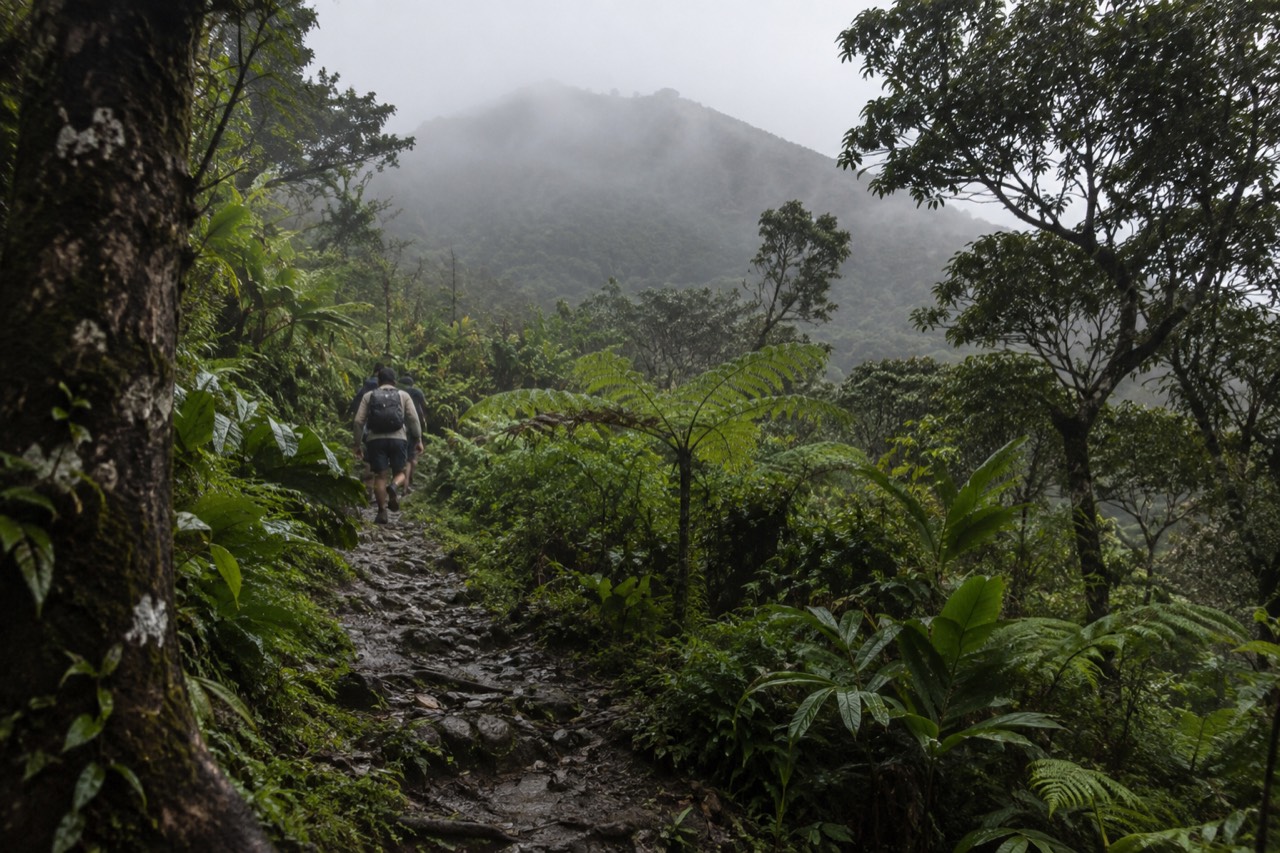
Yes, there are snakes in El Yunque, and the only one the Forest Service names anywhere in its pages for this forest is the Puerto Rican Boa, an endangered species listed among the wildlife of the El Toro Wilderness. Encounters with it are uncommon enough that the agency's own safety guidance for visitors never mentions snakes at all.
That single sentence dissolves most of the anxiety behind the question, but it deserves unpacking, because the gap between what people fear about El Yunque and what the Forest Service actually warns about is wide. The agency operates this forest, publishes its trail pages, its safety and outdoor ethics guidance, its alerts and its recreation site descriptions, and across all of that material one snake appears: the Puerto Rican Boa, listed as habitat of the El Toro Wilderness alongside the endangered Elfin Woods Warbler, the Desmarest's red fig-eating bat, five species of coquís and the Puerto Rican Parrot.
That list matters. It comes from the Forest Service's own page for the El Toro Trail, the long, difficult route to the highest peak in the forest, and it describes the wilderness area designated in 2005, which the agency calls "the only tropical wilderness in the U.S. National Forest System." The boa belongs to that deep-interior community of animals, not to the roadside pull-offs and short interpretive loops where nearly all of the roughly one million annual visitors to the special recreation area actually spend their time.
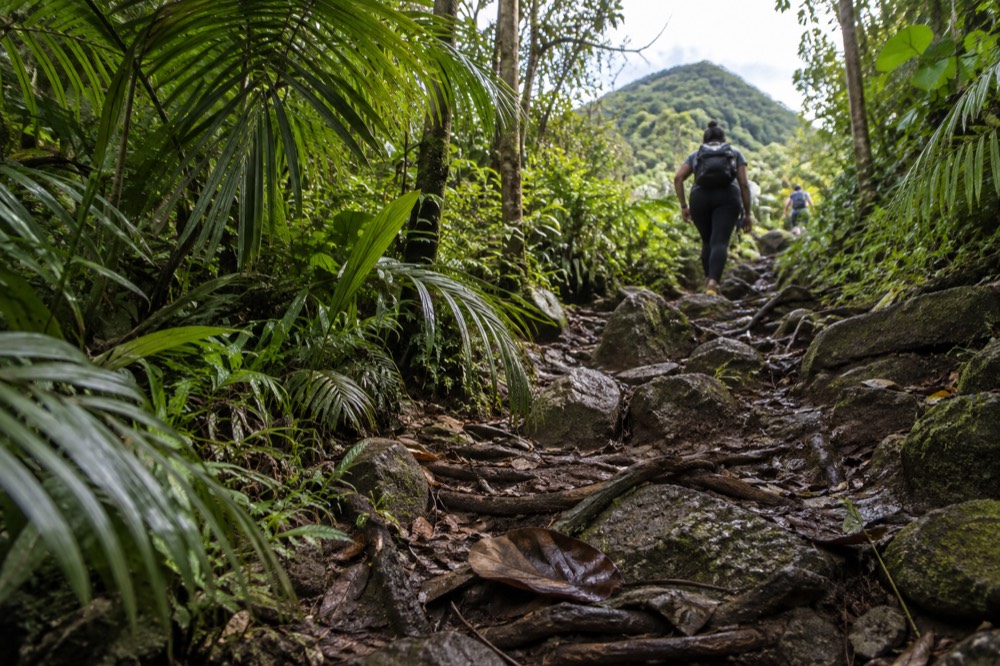
If you are still deciding whether to come, this is the honest framing: the forest's documented hazards are wet, not fanged. The Forest Service's safety advice for El Yunque leads with footwear, telling visitors to "wear good shoes with traction: it is a rainforest, and it is wet and mossy," and its most urgent repeated warning across trail pages is flash flooding along the rivers. Snakes do not appear in the safety guidance at all. That tells you where the agency, which manages this land every day, places the risk.
For visitors who want a structured day in the forest with someone who knows the terrain, the current options below are the formats most often chosen for a first visit.
What Is The Puerto Rican Boa, Really?
The Puerto Rican Boa is a large, non-aggressive constrictor endemic to Puerto Rico, and the Forest Service lists it as part of the habitat of the El Toro Wilderness, the remote high country around El Toro Peak at 3,524 feet. It is a protected species, not a feature of the visited corridors, and the agency publishes no visitor guidance about it because encounters are not a documented problem.
Endemic means it exists in the wild nowhere else on earth. The boa is Puerto Rico's largest native land predator in a forest that, being an island ecosystem, has always had a short list of them. It kills by constriction and it is active mostly at night, which is one reason day visitors so rarely cross paths with one. The Forest Service's El Toro Trail page, the source for its presence here, describes the wilderness habitat it shares: the endangered Elfin Woods Warbler, the Puerto Rican Boa, the Desmarest's red fig-eating bat, five species of coquís, the Puerto Rican Parrot, and the tiny orchid Lepanthes eltoroensis, which grows nowhere but these mountains.
Notice what that list is: a wilderness species inventory for the most remote corner of the forest. El Toro Peak is the highest point in El Yunque at 3,524 feet, reached by a 2.3-mile trail the agency rates Difficult, with 1,325 feet of elevation change, starting from Road 186 on the forest's quiet southern side. The vast majority of visitors never set foot on that trail. They drive the PR-191 North corridor, stop at La Coca Falls, climb Yokahú Tower, maybe walk the short El Portal interpretive loop, and leave having met the forest's birds, its lizards and its frogs, but not its one famous snake.
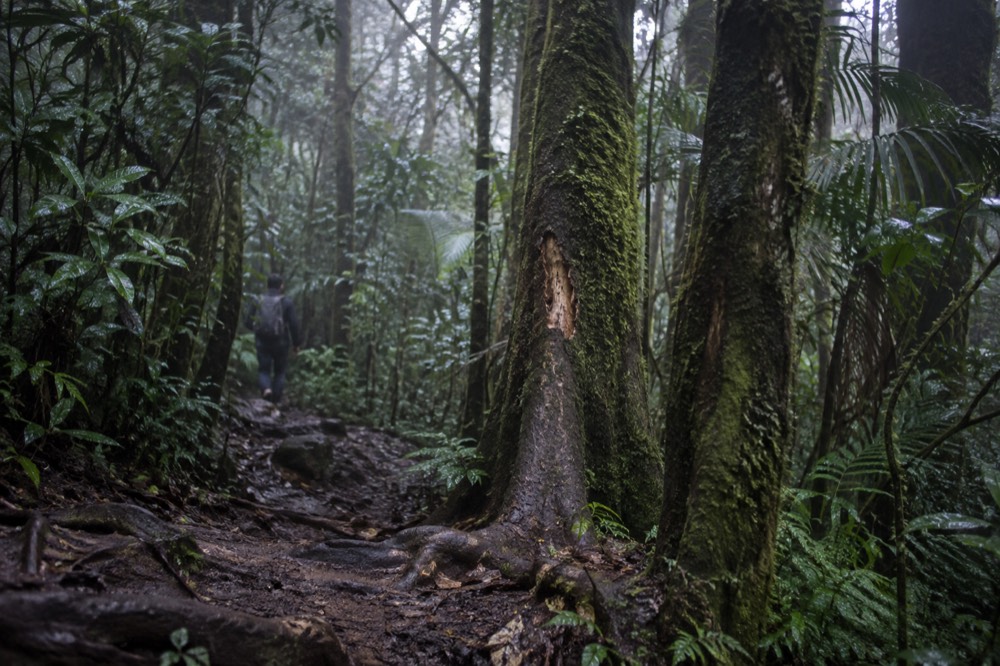
There is a useful thought experiment here. El Yunque is the only tropical rainforest within the national forest system, at nearly 29,000 acres across eight municipalities, and it welcomes about a million visitors a year to its 360-acre special recreation area, in the words of forest supervisor Keenan Adams. If snakes were a routine encounter, the agency that manages those crowds would say so. Its safety and outdoor ethics page is explicit about what it wants you to think about instead, and it starts with your shoes.
If the question of what is underfoot is what keeps you from booking a forest day, a guided half-day with a local operator is a reasonable way to take the first step.
Does El Yunque Have Venomous Snakes?
No venomous snake appears anywhere in the Forest Service's published material for El Yunque National Forest. The agency's recreation pages, trail descriptions, wilderness habitat lists and safety guidance name exactly one snake for this forest, the Puerto Rican Boa, and none of its visitor-facing warnings mention venomous species or snakebite.
That is a statement about the documentation, and it is the strongest one this site can honestly make. The Forest Service is not shy about hazards. The same agency that tells you a flash flood surge can claim victims in less than one minute, that flood water can reach heights of 30 feet or more, and that wet mossy slopes are dangerous in sneakers, would have no reason to omit a venomous snake from a forest it manages. Its pages for El Yunque cover 37 recreation sites and trails, and across all of them the boa is the only snake ever named.
For readers who want the broader island picture, this site's verified research covers the forest itself, and the honest scope of this answer is the forest. What can be said flatly is what the agency's own record shows: one snake species documented, no venomous species named, no snakebite guidance issued, and safety messaging concentrated on water, traction and weather instead.
| Source on the Forest Service's El Yunque pages | What it says about snakes |
|---|---|
| El Toro Trail page (El Toro Wilderness habitat) | Lists the Puerto Rican Boa among the wilderness species |
| Recreation site pages (37 sites and trails) | No snake mentioned on any page |
| Safety and Outdoor Ethics page | No snake or snakebite guidance; leads with footwear and traction |
| Watch Out For Flooding page | Water is the urgent hazard: surges under one minute, 30-foot heights |
| About the Area and FAQ pages | No snake content |
The pattern is consistent and it is not an oversight. It reflects where risk actually sits in a rainforest that receives somewhere between roughly 96 inches of rain a year at lower elevations and over 169 inches at the highest stations, according to Forest Service research published by the International Institute of Tropical Forestry. Water shapes every trail, every rock surface and every safety bulletin in this forest. A nervous visitor planning a first trip is far better served reading about flash floods than reading about snakes, and the agency's guidance reflects exactly that ordering.
What Does The Forest Service Actually Warn Visitors About?
The agency's safety priorities for El Yunque are footwear, flash floods and upstream weather. Its own words: "Wear good shoes with traction: it is a rainforest, and it is wet and mossy," and its flooding page warns that a sudden surge can claim victims in less than one minute, with water reaching 30 feet or more.
Start with the shoes, because the Forest Service does. The quote comes straight from its safety and outdoor ethics guidance, and it is the kind of advice that sounds mundane until you are standing at the top of a mossy concrete stairway in a drizzle wondering how you got there. Trails here are wet year-round by definition. Annual rainfall ranges from 2,450 mm at lower elevations to over 4,000 mm at higher stations, and the single wettest station, La Mina, recorded annual totals varying between 3,730 and 6,450 mm over an eight-year period. Nothing in this forest dries out.
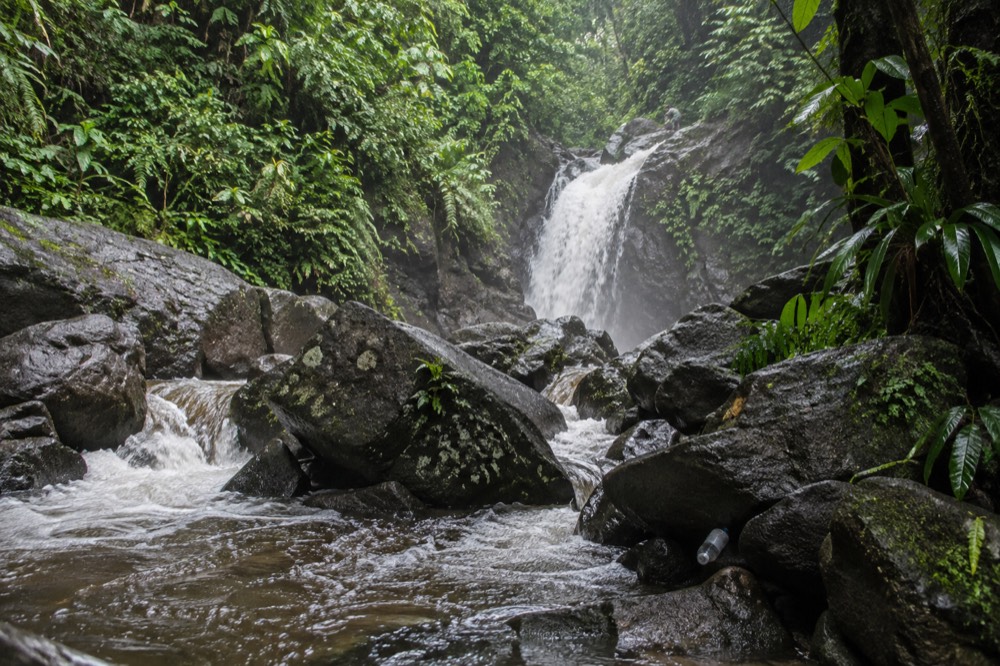
Then the water. The flash flood guidance for El Yunque states that floods can occur throughout the year but are more frequent in the rainy months of April and May, and that during a flash flood, rapidly rising water can reach heights of 30 feet or more, with velocity enough to roll boulders and vehicles, tear out trees, destroy bridges and undermine roads. A watch means threatening weather is possible; a warning means you may have only seconds to escape. The agency's checklist is blunt: stay alert for heavy rain upstream as well as where you are, get to higher ground, do not cross flowing streams, do not try to outrun a flood in a car.
Every trail page repeats a version of the same warning: flash flooding along El Yunque's rivers can happen unexpectedly, so be aware of current conditions and flash flood reports for the area. This is the real answer to "what should I actually worry about in El Yunque," and it has nothing to do with snakes. It has to do with the fact that this is one of the wettest forests under United States administration and its rivers can rise without much warning.
There is a practical layer on top of this. Trail and site closures in El Yunque change with construction and storm damage, and the Forest Service maintains a live alerts page it expects visitors to check before they go. A guide who works in the forest every week knows which access roads are rough and which spots are worth the parking gamble on a given morning. Our guide to what to wear and bring to El Yunque covers the footwear question in detail, and it is the single most useful piece of pre-trip reading on this site.
For a structured way into the forest's river country with someone who watches conditions for a living, the half-day waterslide and rope swing tour is the most popular format on our roster.
What Wildlife Will You Actually See In El Yunque?
Most visitors see coquís, lizards and birds, not snakes. The Forest Service's El Toro Wilderness list names five species of coquís, the endangered Puerto Rican Parrot, the Elfin Woods Warbler and the Desmarest's red fig-eating bat, and El Portal's exhibit holds three live parrots you can see up close.
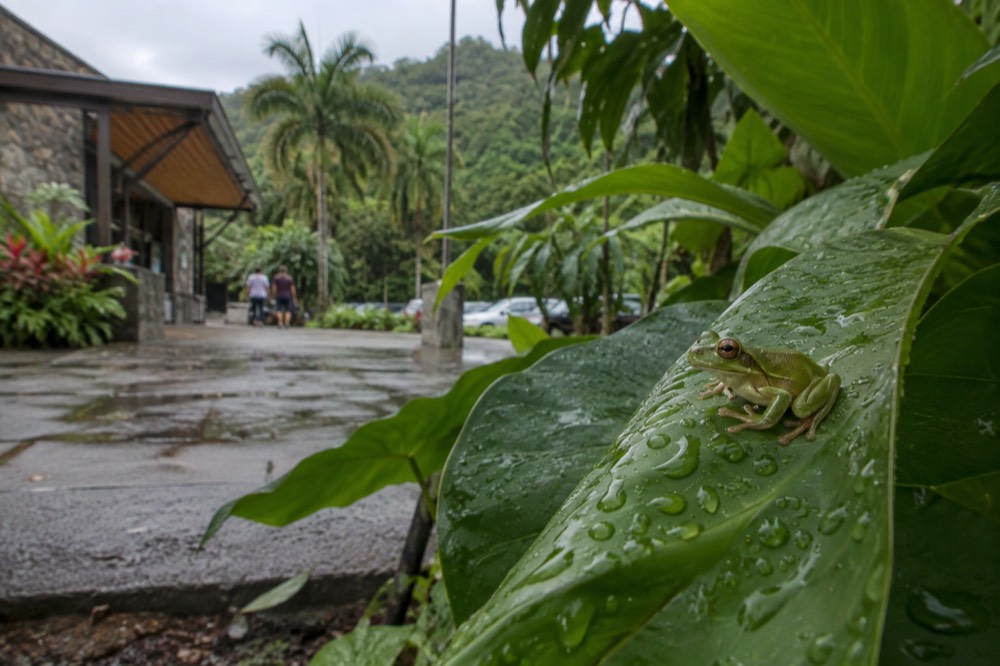
The coquí is the forest's soundtrack and its mascot. Five species of these small frogs are named in the El Toro Wilderness habitat list, and their two-note call is the sound every visitor takes home. They are tiny, loud and everywhere after rain, and they are completely harmless. Daytime walkers more often see lizards sunning on railings and, in the canopy, the flash of a warbler or the green blur of a parrot, one of the world's rarest birds, whose recovery program is part of why this forest matters so much to conservationists.
The parrot deserves the stop. El Portal de El Yunque Rainforest Center, the visitor center at kilometer 4.1 on PR-191, reopened in January 2022 after the 2017 hurricanes forced major reconstruction, and it holds an exhibit with three live Puerto Rican Parrots, a film, art installations and a Junior Ranger programme. Admission is $8 for visitors 16 and over, free under 15, and $4 for interagency pass holders, and the center is open daily from 8:00 a.m. to 4:00 p.m. If seeing rare wildlife up close is the goal, this is the most reliable place in the forest to do it, and it is the only site in El Yunque that charges an entrance fee.
The boa, by contrast, is a night-shift animal in a day-visit forest. Constrictors of its kind spend daylight hours coiled in shelter, in tree cavities, under root masses and in rock piles, and become active when the forest goes dark. El Yunque's recreational corridor runs 8:00 a.m. to 5:00 p.m., with visitors advised to begin exiting at least 15 minutes before closing, so the overwhelming majority of human hours in the forest do not overlap with the boa's. There is even a nighttime option for visitors who want the forest's after-dark side: a rainforest nature walk at night is offered on our roster, a 2.5-hour guided walk on the Angelito Trail, where the coquí chorus is at full volume and the forest's nocturnal residents are the point of the trip.
Readers curious about the forest's larger fauna question, the one that pairs naturally with this one, can start with our piece on whether there are jaguars in El Yunque. The short version of that answer rhymes with this one: the island's ecology does not support big cats, and the animals that are here, parrots, coquís, boas and bats, are the reason the forest is special rather than a reason to stay away.
Should Snake Worry Change Your El Yunque Plans?
No. The documented record for this forest names one shy, protected boa in its wilderness interior, no venomous species, and no snake-related visitor guidance, while the agency's real warnings concern wet trails and river flooding. Preparing for water, with good shoes and a weather check, covers essentially all of the risk the Forest Service identifies.
It is worth saying what preparation actually looks like, because it is cheap and it works. Check the forecast before you go, since the National Weather Service office for the El Yunque area is the San Juan office, and treat any heavy rain upstream of your trail as a reason to stay out of river channels. Wear shoes with real traction, which the agency frames as its first piece of advice. Check the alerts page for closures, because construction and storm recovery have reshaped parts of this forest for years and some beloved routes, including both approaches to La Mina Falls, have been closed for long periods. Our overview of El Yunque's hiking trails walks through what each route involves and where the status caveats sit.
The guided-tour question then answers itself. A tour does not buy you entry, because entry to the PR-191 North recreational corridor is free and requires no reservation; that is the Forest Service's own published position, and most competing pages still get it wrong. What a tour buys is a permitted vehicle and a legal drop-off, which matters because rideshare apps cannot pick up at the corridor or El Portal, and not every taxi holds a forest permit. It buys someone else solving the parking problem, which is the forest's actual capacity constraint, with parking permitted only in designated areas and 30-minute maximums at Yokahú Tower and Juan Diego. And it buys a guide who knows what is open on the day, which in a forest with this much ongoing recovery work is worth more than usual.
That is the honest case, and it is the one this site makes everywhere: El Yunque National Forest Tours exists because the transport, parking and trail-knowledge problems are real, not because a guide protects you from snakes. If the question that brought you here was really "is this forest safe for my family," the answer the record supports is yes, with wet-rock caution and river sense, and with the reassurance that the animal most people fear here is also one of the least likely things you will ever see.
For comparing the formats side by side, these are the three tours most often weighed against each other for a first visit.
Common Questions About Snakes In El Yunque
Are There Snakes In El Yunque?
Yes. The one snake the Forest Service names anywhere in its El Yunque material is the Puerto Rican Boa, an endangered, non-aggressive constrictor listed as habitat of the El Toro Wilderness. It is a night-active animal in remote country, and the agency's visitor safety guidance never mentions snakes.
Are there venomous snakes in El Yunque?
No venomous snake appears in any Forest Service page for this forest, across its 37 recreation sites and trails, its wilderness habitat lists and its safety guidance. The agency's documented safety priorities are wet surfaces, traction and flash flooding.
Will I see a snake on the trails?
Almost certainly not. The boa is active mostly at night, and the visited corridors operate from 8:00 a.m. to 5:00 p.m., so the hours people spend in the forest barely overlap with the boa's. Daytime wildlife sightings are dominated by coquís, lizards and birds.
What animals is El Yunque actually known for?
Five species of coquís, the endangered Puerto Rican Parrot, the Elfin Woods Warbler and the Desmarest's red fig-eating bat, all listed for the El Toro Wilderness. El Portal's exhibit holds three live parrots, the most reliable up-close wildlife viewing in the forest.
What is the real danger in El Yunque?
Water. The Forest Service warns that flash floods can occur year-round, more often in April and May, that surges can claim victims in under a minute, and that flood water can reach 30 feet or more. Good shoes with traction are its first stated piece of advice.
Does a guided tour protect me from wildlife risks?
A tour's real value is not wildlife protection. It is a permitted vehicle, a legal drop-off where rideshare cannot collect you, someone else handling the parking constraint, and a guide who knows which trails are open on the day.