Is Rio Grande A Good Base For El Yunque?
Rio Grande puts you at the PR-191 entrance first thing in the morning, with resort and vacation-rental options nearby. Here is what basing there actually changes for your El Yunque day.
Is Rio Grande A Good Base For El Yunque?
Yes, Rio Grande is a good base for El Yunque, and for one specific reason: the forest's main recreational corridor on PR-191 North is physically in Rio Grande, so staying there gives you the shortest possible drive to the entrance, which opens at 8:00 a.m. and closes at 5:00 p.m. Entry is free and no reservation is required, so the advantage of being close is purely about arriving before the parking fills.
That last point deserves emphasis, because a huge amount of third-party content still tells visitors to book a corridor reservation that no longer exists. The Forest Service's current conditions page states plainly that entrance to the PR-191 North recreational corridor in Río Grande is free and no reservations are required, with hours from 8:00 a.m. to 5:00 p.m., and that visitor capacity is managed because of parking limitations and ongoing construction, with parking permitted only in designated areas. You can read the live wording on the official current conditions page. Nobody, including a tour operator, can sell you a way around a queue that does not exist.
What a Rio Grande base buys you instead is time and timing. The corridor's capacity problem is a parking problem, enforced with tickets at La Coca Falls and 30-minute maximums at Yokahú Tower and Juan Diego. A visitor driving in from Condado or Old San Juan at 8:15 a.m. is arriving into lots that a Rio Grande local reached at 8:05. On busy winter weekends that gap is the difference between a calm morning and circling for a space.
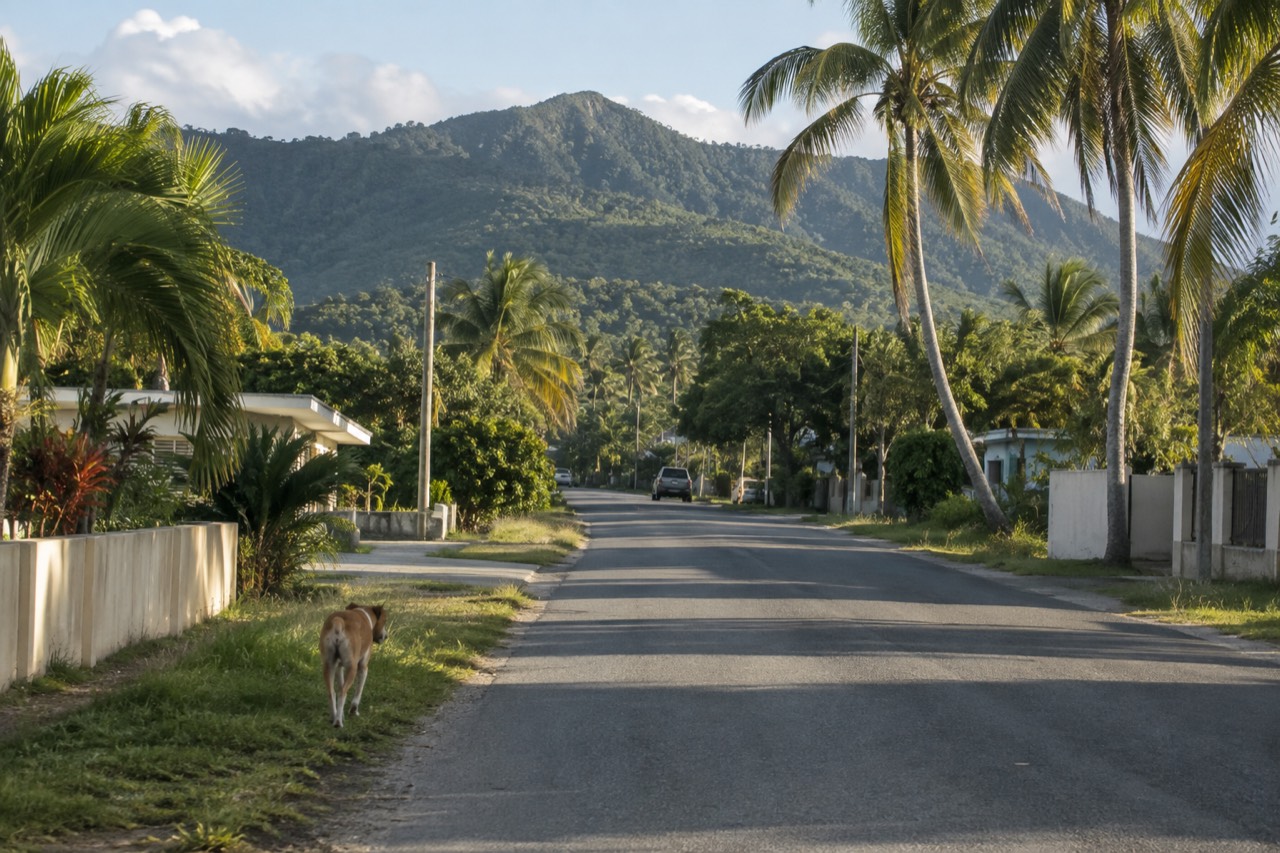
The trade-off is real, though. Rio Grande is a spread-out, car-oriented municipality with a resort strip near the coast and quieter inland neighborhoods, not a walkable dining district. If your Puerto Rico trip is mostly about Old San Juan's restaurants and bars, and El Yunque is a single morning out of five days, staying in San Juan and booking a tour with pickup makes more sense. If the forest, the Luquillo beaches and the Fajardo bio bay are the core of your itinerary, Rio Grande is arguably the best-positioned base on the island.
For readers deciding between the two, the practical comparison is on our El Yunque National Forest Tours home base, and the deeper logistics breakdown is in the guide to getting to El Yunque from San Juan.
How Close Is Rio Grande To The Forest Entrances?
Rio Grande contains the PR-191 North entrance itself, the one the Forest Service describes as the main recreational corridor, plus the El Portal Rainforest Center at kilometer 4.1 of PR-191, nearest the Palmer community. The Luquillo entrance on PR-988 and the Naguabo entrance on PR-191 South are in neighboring municipalities, and the El Toro Scenic Byway on PR-186 is a fourth, rougher way in.
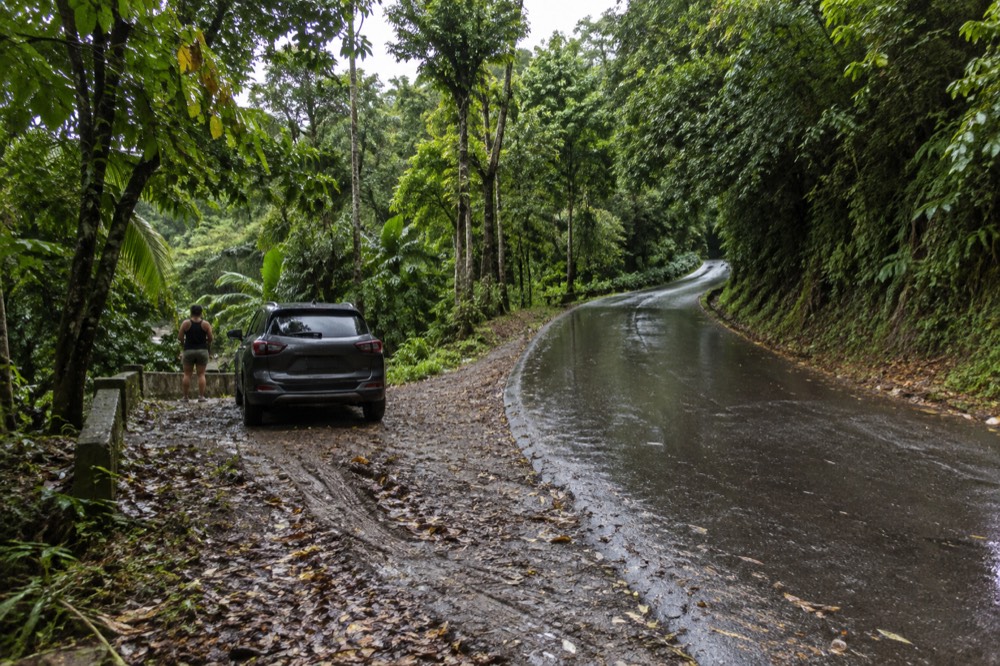
Palmer, the small community at the foot of PR-191, is the reference point most locals use. From the hotels and vacation rentals spread along the PR-3 corridor between Palmer and the coast, you are minutes from the entrance station rather than an hour-plus of highway from San Juan. No official source publishes a drive time from San Juan, and this site does not invent one; what is verifiable is the geography. El Portal sits at PR-191 kilometer 4.1, La Coca Falls at kilometer 8.1, Juan Diego at kilometer 9.6, and Yokahú Tower at kilometer 8.8, all measured from PR-3. Once you are on the corridor road itself, the famous stops are stacked along a single mountain road, and the drive between them is short but slow and winding.
That matters for a second reason: the corridor closes at 5:00 p.m. sharp, and the Forest Service advises visitors to begin exiting at least 15 minutes before closing. A Rio Grande base means you can do a late-afternoon pass through the corridor, come down for dinner, and still have a full evening, something a San Juan base makes awkward.
There is also a transport trap worth knowing before you book anything. The Forest Service has an active alert warning that the recreational corridor and El Portal are not authorized pick-up or drop-off points for rideshare apps, and that visitors relying on them have been forced to walk long distances to reach a valid pick-up point. The same alert notes that not every taxi driver holds a permit to operate in the forest, and tells visitors to ask before hiring. The full advisory is on the Forest Service transport alert page. A base with a rental car, or a booked tour with a permitted vehicle, sidesteps the problem entirely.
One thing a Rio Grande base does not change: the only thing that charges admission in the forest is El Portal, at $8 for visitors 16 and over, free under 15, and $4 with an interagency pass. That is a visitor center fee, not a forest entry fee, and the details are covered in our guide to El Yunque tickets and reservations.
What Does Staying In Rio Grande Do To Your Mornings?
Staying in Rio Grande lets you be at the PR-191 entrance at or before the 8:00 a.m. opening, which is the single most reliable way to find parking at La Coca Falls, Yokahú Tower and Juan Diego, all of which have designated-only parking with 30-minute maximums at two of the three. It also puts you ahead of the tour vans, most of which originate in San Juan and reach the corridor later in the morning.
The parking math is unforgiving. The Forest Service manages corridor capacity specifically because of parking limitations, working with the Puerto Rico Police. There is no overflow lot and no shuttle. When the designated areas fill, the corridor effectively turns day-trippers away, and the people who lose are the ones who arrived at 10:30 a.m. A Rio Grande base converts that lottery into a near-guarantee, at least on weekdays outside peak holiday weeks.
The morning advantage compounds at the water. The Forest Service lists swimming at Juan Diego Falls, the Angelito Trail's Las Damas Pool on the Río Mameyes, Puente Roto, Quebrada Grande, Quebrada Sonadora, the Río Espíritu Santo Observation Point and the Río Sabana Recreation Area. Every one of those carries the standing flash-flood warning, and the Forest Service is blunt about it: a sudden surge can claim victims in less than one minute, and flood water can reach heights of 30 feet or more. You can check the Río Mameyes in real time on the USGS stream gauge for the river before you go in. A morning visit is also simply when the pools are emptiest and the light is best on the falls.
There is a seasonal layer too. Flash floods can occur throughout the year but are more frequent in the rainy months of April and May, and the forest receives somewhere between roughly 96 inches of rain a year at lower elevations and over 169 inches at the highest stations. If a morning gets rained out, a Rio Grande base makes it painless to go back to your room, dry off, and re-enter the corridor in the afternoon, which is a miserable loop from San Juan.
Can You Get Picked Up In Rio Grande Instead Of San Juan?
Yes, and this is where a Rio Grande base quietly changes your tour options. Many of the higher-rated tours on this site's roster offer hotel pickup, and several that depart from San Juan also work for guests staying in Rio Grande, since the municipality sits directly on the route between San Juan and the forest. The practical question to ask any operator is whether their pickup radius includes your specific hotel or rental.
The reason pickup matters more here than at most destinations is the rideshare gap described above. If you stay in Rio Grande without a car, your realistic transport into the corridor is a permitted taxi, a rental, or a tour vehicle. Booking a tour with pickup converts that from a daily negotiation into a solved problem, and it also solves the parking problem, since a permitted vehicle with a legal drop-off does not compete with you for the 30-minute spaces.
The roster's forest-and-beach options illustrate the range. The Small-Group El Yunque Rainforest & Transportation Luquillo Beach tour runs 6 hours from $65 per person, is rated 5.0 across 499 reviews, and includes hotel pickup plus confirmed stops at Luquillo Beach, the Río Mameyes, the Luquillo Kiosks and Las Tinajas. The Three Tours in 1 Day trip runs 6 to 8 hours from $55, is rated 4.8 across 1,032 reviews, and pairs the forest with Luquillo Beach, the kiosks and Old San Juan, which is a sensible shape for a Rio Grande visitor who wants one excursion into the city rather than the reverse.
For the evening side of the equation, the bio bay combos are worth a look. The Fajardo bio bay, Laguna Grande, is the closest of Puerto Rico's three bioluminescent bays to Rio Grande, and a 12-hour combo tour that does the forest by day and the bay by kayak at night is rated 4.9 across 1,446 reviews, from $183.98 per person with hotel pickup and free cancellation. One honest caveat from the research record: in 2025 a sargassum inundation stripped Laguna Grande of oxygen and killed its dinoflagellates, and the bay produced no bioluminescence for several months. Operators will tell you honestly whether the glow has returned, so ask before booking a night around it.
What Does A Rio Grande Base Cost Compared With San Juan?
San Juan has the wider and generally cheaper range of hotels, from Old San Juan boutiques to Condado resorts and Isla Verde airport hotels; Rio Grande is anchored by a few large resorts and a growing stock of vacation rentals, with prices that peak around the same high season. The Wyndham Grand Rio Mar, the closest large resort to the forest, completed a renovation its owner put at more than $60 million and held its reopening ceremony in February 2026.
That reopening matters for El Yunque-bound travelers because Rio Mar sits between the forest and the beach, with the corridor entrance a short drive inland. The renovation, reported by Metro Puerto Rico, was credited with creating more than 190 jobs. Beyond the resort, the practical inventory in Rio Grande is apartments and houses in communities like Palmer and the PR-3 strip, which suit families and groups better than hotel rooms and usually include parking.
Cruise traffic deserves a place in any base decision, because port days move the corridor's crowds more than weekends do. When a ship is in San Juan, a wave of excursion buses reaches the forest by mid-morning, and a Rio Grande base is the one reliable way to be ahead of them. The pier investment programme points toward passenger volume rising from 1.8 million in 2025 toward over two million, so the pattern is intensifying rather than fading.
| Base | Best for | Main advantage | Main trade-off |
|---|---|---|---|
| Rio Grande (Palmer, PR-3, Rio Mar) | Forest-first itineraries, early starts, beach afternoons | Minutes from the PR-191 entrance; easy 8 a.m. arrival | Limited walkable dining; a car or booked pickup is close to essential |
| San Juan (Condado, Old San Juan, Isla Verde) | City-first itineraries, one forest day | Restaurants, nightlife, airport proximity | Later arrival at the corridor; parking fills before you get there |
| Luquillo | Beach-and-slides itineraries | On PR-988, the second forest entrance; near the kiosks | Smaller inventory; the waterslides there are on private land outside the forest |
| Fajardo | Bio bay evenings, east-coast trips | Closest to Laguna Grande | Farthest from San Juan's dining if you still want it |
The cost question is really a shape-of-trip question. If you are on the island for a week and want three days of city and one of forest, pay San Juan prices and book a pickup tour. If you want forest mornings, Luquillo afternoons and a bio bay night, Rio Grande saves you the daily highway leg and gives you the flexibility to re-enter the corridor when a morning washes out. The fuller comparison of towns, including Luquillo and Fajardo, is in our guide to where to stay near El Yunque.
What Are The Downsides Of Basing In Rio Grande?
The downsides of a Rio Grande base are three: you will almost certainly need a car or booked transport because rideshare cannot pick you up at the corridor; the dining and evening scene is thin compared with San Juan; and the municipality is spread out, so a rental in the wrong neighborhood can still leave you a drive from the entrance. It is a logistics base, not a destination base.
The car question is the big one. Without your own vehicle, every forest day depends on a permitted taxi, a rental, or a tour with pickup, and the rideshare restriction applies to El Portal as well as the corridor. Travelers who plan to drink with dinner, or who dislike mountain driving, may genuinely prefer a tour-based approach from any base. That is a legitimate choice, and it is the honest case for guided tours here: not queue-skipping, which is impossible, but a permitted vehicle, a legal drop-off, and a guide who knows which trails are actually open on the day.
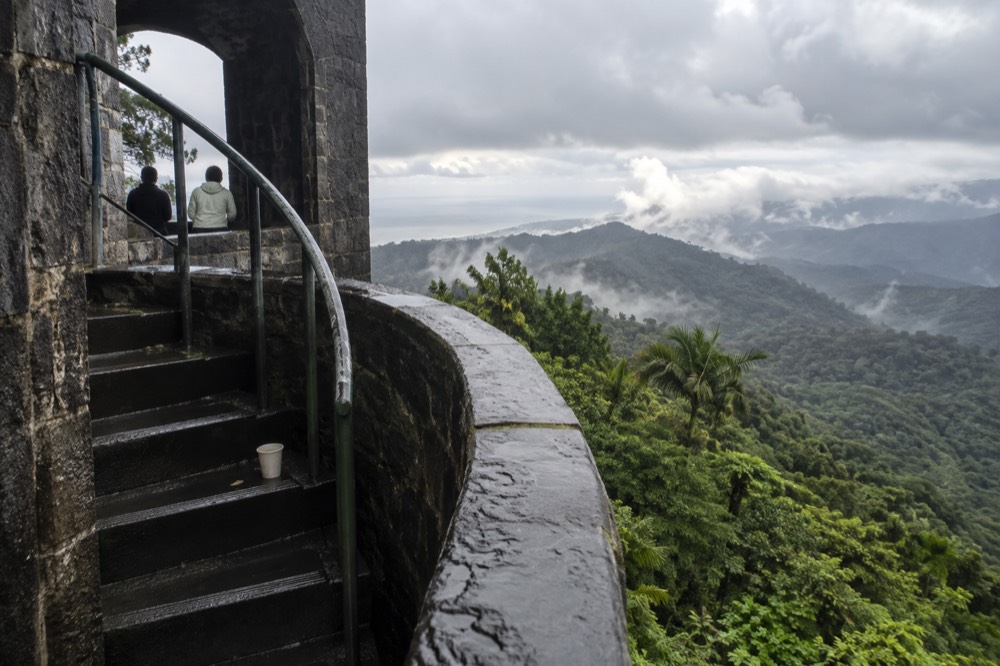
Open trails are the second caveat. Closures in El Yunque change with construction and storm damage, and this site deliberately does not bake them into copy. La Mina Trail and Big Tree Trail, both approaches to La Mina Falls, have been closed for an extended period, and El Yunque Peak Trail has been open only as far as Los Picachos, but the live authority is the Forest Service alerts page, which you should check the morning of your visit. A guide who works the corridor weekly knows the current state of the trails in a way a printed itinerary never can.
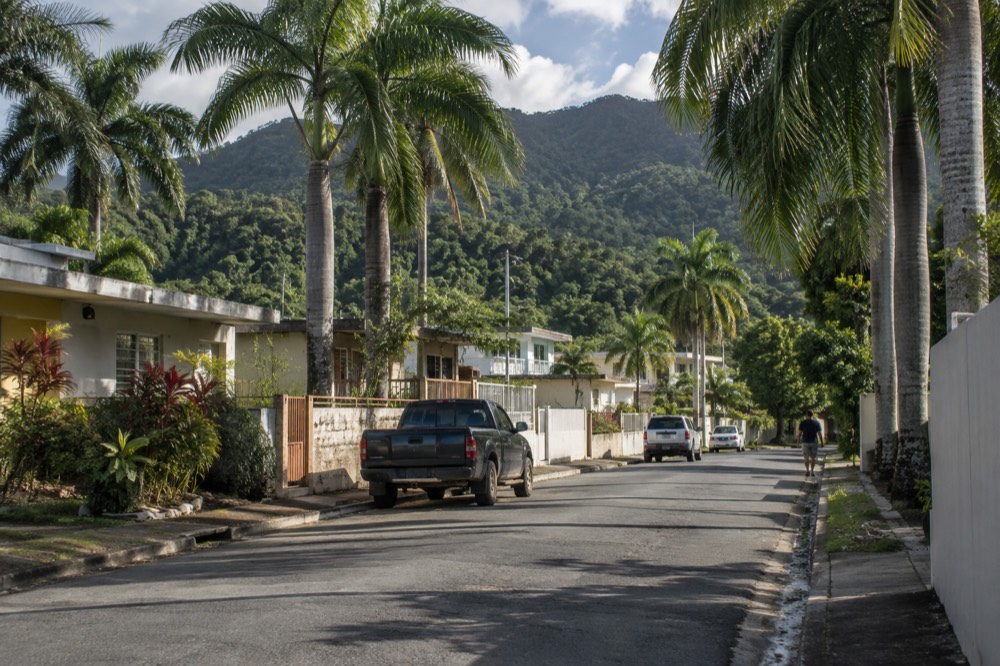
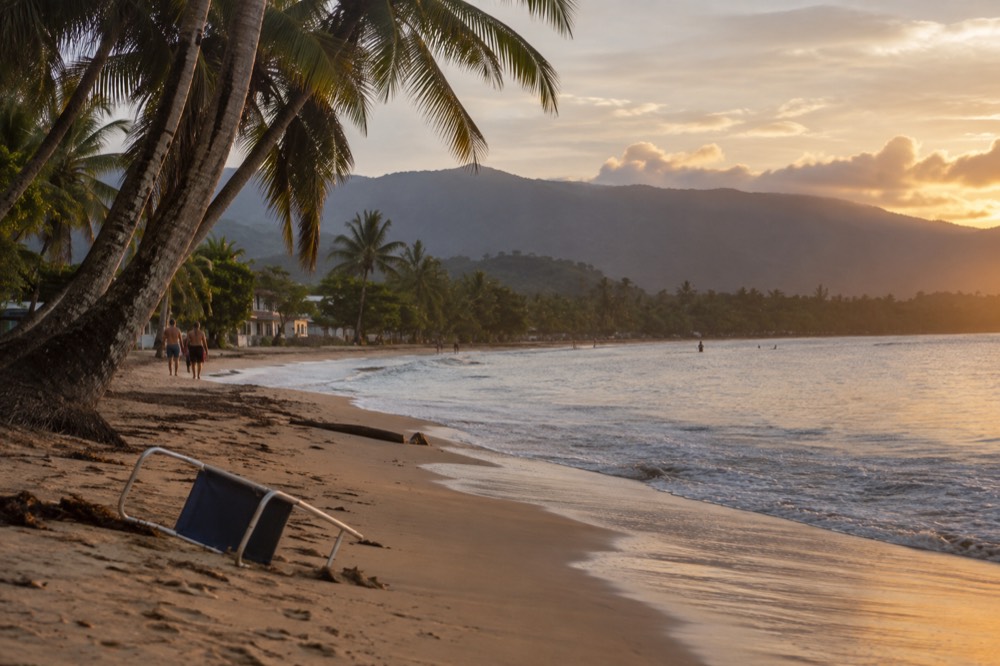
The third caveat is about expectations. Palmer is a small crossroads community, not a resort town; the Rio Mar end of the municipality is polished and expensive; and the inland neighborhoods are residential. None of that is a problem if your evenings are a beach bar in Luquillo or dinner at the kiosks, which draw around a million visitors a year and generate an estimated $41.4 million for the eastern Puerto Rico economy according to local reporting. But a traveler expecting walkable streets and a food scene will be disappointed, and should read our piece on Luquillo kiosks and the beach before assuming the coast will supply one.
For readers who want the forest, a beach afternoon and the kiosks in a single booked day, the small-group beach-day option is rated 5.0 across 499 reviews, from $65 per person with hotel pickup and free cancellation, and covers Luquillo Beach, the Río Mameyes and Las Tinajas in 6 hours.
Common Questions About Basing In Rio Grande
Is Rio Grande A Good Base For El Yunque?
Yes. The PR-191 North recreational corridor is physically located in Rio Grande, so staying there gives you the shortest drive to the main entrance, which opens at 8:00 a.m. Entry is free and no reservation is required, so the whole advantage is arriving before the designated parking fills. The trade-off is thin dining and a near-essential car or booked pickup.
Do you need a reservation to enter El Yunque from Rio Grande?
No. Entrance to the PR-191 North recreational corridor in Rio Grande is free and no reservations are required, with hours from 8:00 a.m. to 5:00 p.m. Visitor capacity is managed through parking, which is permitted only in designated areas. The only paid site is El Portal, at $8 for visitors 16 and over.
Can Uber pick you up in El Yunque if you stay in Rio Grande?
No. The Forest Service warns that the recreational corridor and El Portal are not authorized pick-up or drop-off points for rideshare apps, and that visitors have been forced to walk long distances to reach a valid pick-up point. Permitted taxis, a rental car, or a tour with a permitted vehicle are the reliable options.
Is Rio Grande or Luquillo better for visiting El Yunque?
Rio Grande holds the main PR-191 North entrance and the largest resort inventory; Luquillo sits on the PR-988 entrance and next to the beach and kiosks. For pure early-morning forest access, Rio Grande wins. For a beach-heavy trip with the forest as one morning, Luquillo is competitive. Note that the natural waterslides near Luquillo are on private land outside the national forest.
How early should you arrive at El Yunque from a Rio Grande base?
Aim to be at the entrance at 8:00 a.m. when the corridor opens. Parking is the constraint, with 30-minute maximums at Yokahú Tower and Juan Diego and ticketing for violators at La Coca Falls. Arriving at opening effectively guarantees you a space on most days, and the pools and falls are at their quietest.
Can you do the bio bay from a Rio Grande base?
Yes, and Rio Grande is well placed for it. Laguna Grande in Fajardo is the closest of Puerto Rico's three bioluminescent bays, and 12-hour combo tours that pair the forest by day with a kayak night on the bay run from $183.98 per person with hotel pickup. Ask the operator about current bioluminescence conditions before booking, since a 2025 sargassum event darkened the bay for several months.
If you are still weighing the decision, the three options below cover the itineraries a Rio Grande base serves best: a forest-and-beach day with transport, a small-group version with pickup, and the long day that adds the bio bay.